
Red Twing Dogwood - America's Gardens Nursery

Red Twig Dogwood

$16.99

Pairs well with

Description

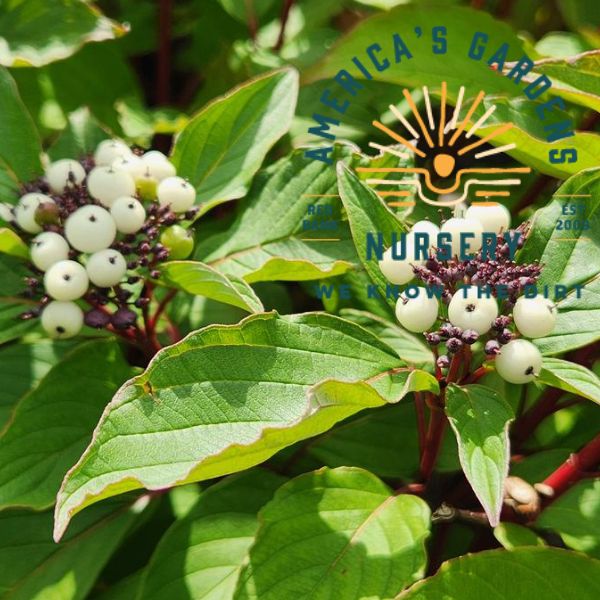
Red-twig dogwood or cornus sericea is a large, multi-stemmed, deciduous shrub in the dogwood family (Cornaceae) and native to most of North America, including North Carolina. Its showy red stems provide great winter interest. Red Twig Dogwood is a host plant for the Crecopia silkmoth and the Spring and Summer Azure butterflies.

Care

Although it tolerates a range of soil conditions, including wet and dry sites and heavy clay soil, it prefers organically rich, consistently moist soil. Plant it in full sun to partial shade, though plants can become stressed in full sun during our hot southern summers. The brightest color occurs on new stem growth, so prune the plant back in early spring to stimulate more growth. Best grown in zones 2-8.

Growth Habit

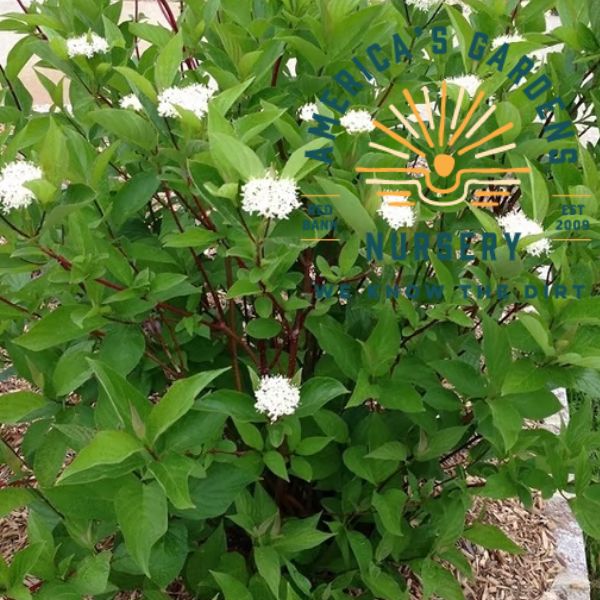
Growing to a height and width of 6 to 9 feet, it is typically found growing in damp boggy areas, riparian areas, or wetland margins. “Sericea” is Latin for silky and refers to the fine hairs found on the leaves and new twigs.  It grows vigorously and spreads by underground stems to form a colony that can become weedy in some areas, though its spreading roots can help mitigate erosion. If its spread is undesirable, root prune it with a spade. White flowers appear in the early summer, followed by white berries that last into the fall and are a food source for songbirds. The leaves turn attractive shades of orange or red, fading to purple in the fall. When they drop, the showy bright red stems make this plant have true year-round interest.  

Toxicity
While not poisonous, consuming large amounts of foliage or berries can cause mild gastrointestinal issues in dogs and cats, such as diarrhea, vomiting, or drooling. It is generally considered safe, but ingestion should be monitored.
Satisfaction

Plant size and shape may differ from what is pictured.

For mail orders: Plants may go through shock during shipping. Upon arrival, take the plant out and water it thoroughly. If you are not satisfied with your purchase, please notify us via email at sales@amgardens.com and include a photo(s) within 24 hours of plant arrival.

For in store purchases: If you are not satisfied with your purchase, please call us at 423-870-5000 or return the plant in its original pot/condition within 3 days. Trees and shrubs have a 6 month warranty (exceptions may apply), but we highly encourage you to give us a call or email if you notice issues with your plant. We'd love to help you figure out what's wrong and save your plant! 

Shipping

Orders are shipped on Wednesdays and Thursdays; if your order is placed on a Wednesday, it may not ship until the following Wednesday. During peak season there may be delays in shipping. If it is too hot or cold, we suggest ordering during milder months to ensure plants arrive in best condition.

Description

Red-twig dogwood or cornus sericea is a large, multi-stemmed, deciduous shrub in the dogwood family (Cornaceae) and native to most of North America, including North Carolina. Its showy red stems provide great winter interest. Red Twig Dogwood is a host plant for the Crecopia silkmoth and the Spring and Summer Azure butterflies.

Care

Although it tolerates a range of soil conditions, including wet and dry sites and heavy clay soil, it prefers organically rich, consistently moist soil. Plant it in full sun to partial shade, though plants can become stressed in full sun during our hot southern summers. The brightest color occurs on new stem growth, so prune the plant back in early spring to stimulate more growth. Best grown in zones 2-8.

Growth Habit

Growing to a height and width of 6 to 9 feet, it is typically found growing in damp boggy areas, riparian areas, or wetland margins. “Sericea” is Latin for silky and refers to the fine hairs found on the leaves and new twigs.  It grows vigorously and spreads by underground stems to form a colony that can become weedy in some areas, though its spreading roots can help mitigate erosion. If its spread is undesirable, root prune it with a spade. White flowers appear in the early summer, followed by white berries that last into the fall and are a food source for songbirds. The leaves turn attractive shades of orange or red, fading to purple in the fall. When they drop, the showy bright red stems make this plant have true year-round interest.  

Toxicity
While not poisonous, consuming large amounts of foliage or berries can cause mild gastrointestinal issues in dogs and cats, such as diarrhea, vomiting, or drooling. It is generally considered safe, but ingestion should be monitored.
Satisfaction

Plant size and shape may differ from what is pictured.

For mail orders: Plants may go through shock during shipping. Upon arrival, take the plant out and water it thoroughly. If you are not satisfied with your purchase, please notify us via email at sales@amgardens.com and include a photo(s) within 24 hours of plant arrival.

For in store purchases: If you are not satisfied with your purchase, please call us at 423-870-5000 or return the plant in its original pot/condition within 3 days. Trees and shrubs have a 6 month warranty (exceptions may apply), but we highly encourage you to give us a call or email if you notice issues with your plant. We'd love to help you figure out what's wrong and save your plant! 

Shipping

Orders are shipped on Wednesdays and Thursdays; if your order is placed on a Wednesday, it may not ship until the following Wednesday. During peak season there may be delays in shipping. If it is too hot or cold, we suggest ordering during milder months to ensure plants arrive in best condition.